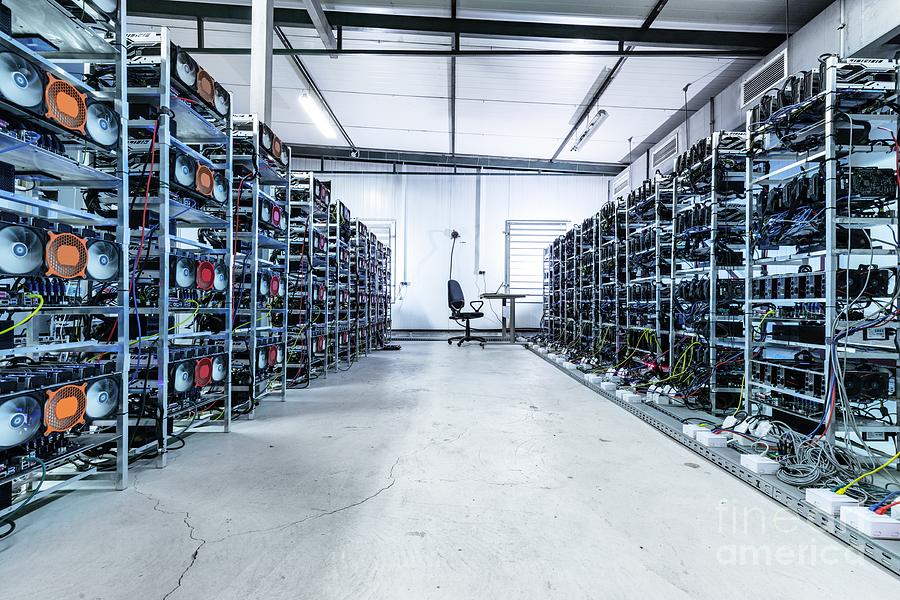
Crypto news broke this week as several large Bitcoin mining firms bought three old power plants in the United States. These plants used to burn coal or gas, but now they are coming back to life just to run rows of computer servers day and night.
Mining companies are buying their own power stations to lock in cheap energy and avoid grid fees. Electricity costs have gone up for regular users, but these direct deals let miners produce electricity for a fraction of the normal price.
Why Crypto Mining Companies Want Their Own Power Stations
Running thousands of high-powered mining computers takes a massive amount of electricity. If a mining firm buys power from the public grid, they pay retail rates plus grid maintenance fees. That eats up their profits fast, especially when coin prices swing down.
By buying an old power plant, the company becomes its own power supplier. They generate electricity right on site and send it straight into their server trailers through thick cable lines. There is no middleman and no grid delivery fee. In states like Pennsylvania and Ohio, old coal and natural gas plants sit empty with heavy power lines already built. Buying these sites gives miners direct access to huge amounts of energy from day one.
In fact, recent crypto market updates show that energy costs now make up over seventy percent of total operating expenses for large mining facilities.

How Miners Turned a Shut Down Gas Plant into a Mining Hub
Take the case of a natural gas plant in upstate New York that sat quiet for years. A fast-growing mining firm bought the site, repaired the gas turbines, and built a massive server building right next to the cooling towers.
The facility now generates over one hundred megawatts of power every hour. None of that energy goes out to local homes. It all flows straight into thirty thousand custom mining rigs. The plant operates twenty-four hours a day, keeping the servers cool and running without relying on local power companies.
Because the plant sits right on top of a natural gas line, the owners buy fuel at wholesale rates. This setup cuts their cost to make one Bitcoin by almost forty percent compared to firms that buy power off the regular grid.
What Local Communities Are Saying About Restated Power Plants
Not everyone living near these revived plants is happy about the trend. Local towns often hope closed industrial sites will turn into green parks or quiet tech centers. Instead, heavy trucks arrive, noise levels go up, and the smoke stacks start up again.
Residents living near a restarted plant in Pennsylvania recently filed complaints about the loud hum of cooling fans. Thousands of fans run constantly to keep the mining rigs from burning out. The sound can travel over a mile on quiet nights, sounding like a jet engine running on the ground.
There are also clear environmental concerns. When an old plant restarts, local carbon emissions jump back up. Environmental groups are asking state leaders to check if these revived sites meet current air quality standards. Some states are looking into new rules to slow down the trend.
How Power Grid Operators React to Direct Mining Plants
Power grid managers have a mixed view of this new trend. On one hand, having big energy users off the main grid means less strain on public power lines during hot summer days. The miners draw zero power from the public system because they make their own.
On the other hand, grid operators like to have extra power plants on standby for emergencies. When private mining firms buy up these dormant plants, that power is fully locked up. It cannot be switched over to help light up cities during winter storms or heatwaves.
This situation is similar to how US agencies are looking closer at decentralized financial tools, which you can read about in this article on Crypto News: Why Decentralized Exchanges Are Facing New US Audit Rules. Rules are tightening across the entire industry as its footprint grows bigger.
What This Means for the Future of Energy and Crypto
As reward payouts for block creation drop over time, only the cheapest energy users will survive in the mining space. Buying off-grid power plants is no longer just a clever trick. It is fast becoming the main way big operations stay profitable.
We will likely see more mining firms partner with energy producers in the coming years. Some are already looking at stranded nuclear power and isolated hydro dams. The race to secure direct energy is changing both the power market and the mining industry at the same time.
Will your state be the next one to see a closed power plant turned into a computer warehouse? Keep an eye on local energy news in your area to find out.
Comments
Post a Comment