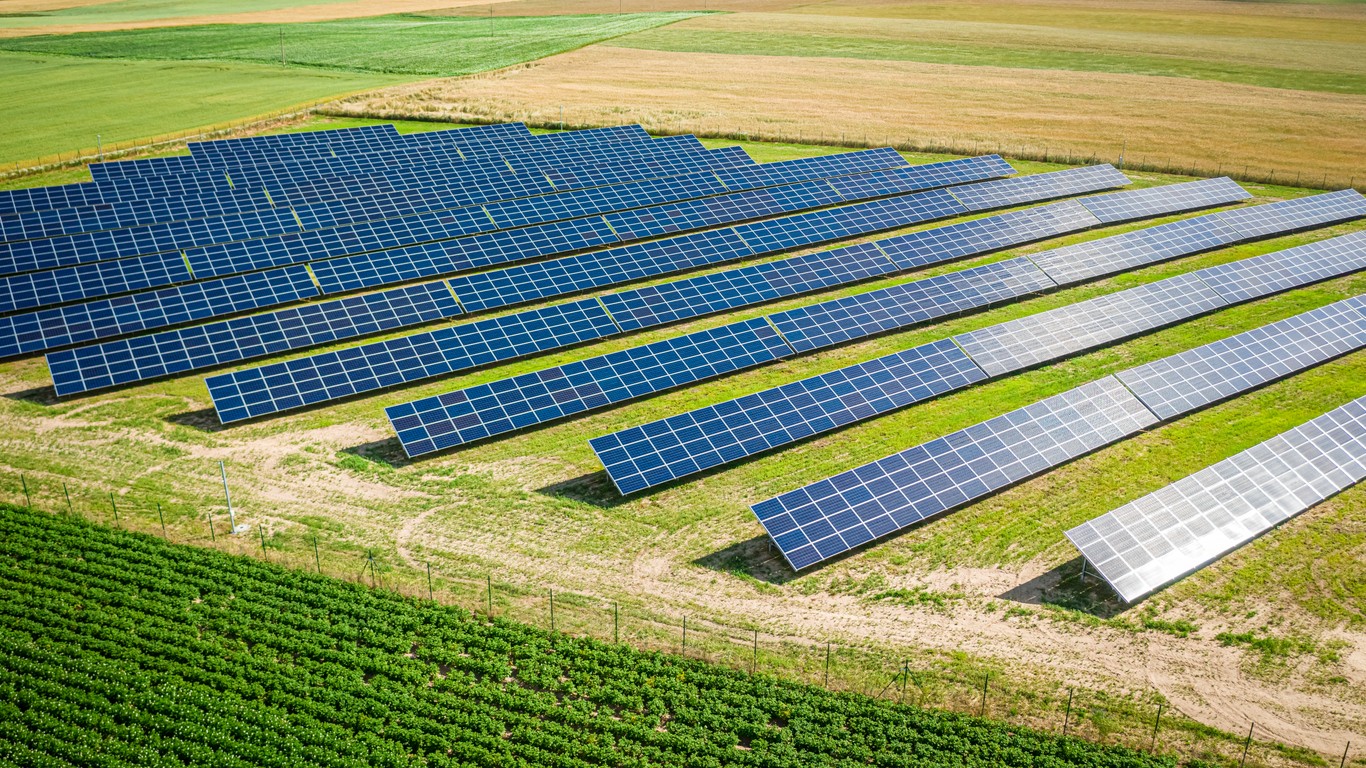
Solar farm operators across the desert Southwest are unplugging crypto mining rigs from their power grids this month. The shift comes as battery storage costs drop, making it more profitable to sell stored power back to cities during peak hours. Mining crypto with extra sunshine no longer makes financial sense for these energy companies.
If you follow energy news, the quick answer is simple. Solar farm owners used to view bitcoin miners as an easy way to sell leftover electricity on hot afternoons. Today, big utility companies pay far more money for that same power, leaving crypto hardware sitting idle in shipping containers.
Why Solar Power Companies Turned on Crypto Rigs
Three years ago, bright afternoon sun often produced more electricity than the power grid could handle. Solar farm managers had to turn off their panels or pay the grid to take the extra energy. To stop losing money, many farms signed deals with crypto firms to set up computers right next to the solar arrays.
The setup worked well for a while. Miners got cheap power, and solar farms made cash from light that would have gone to waste. You can see how energy tech shifts affect different businesses in our look at Why Many Car Dealerships Are Moving Away From Crypto Payments. But power grids changed faster than the crypto market expected.
Grid operators installed massive battery banks over the last two years. Now, when the sun shines bright, solar farms charge these giant batteries instead of running power lines to crypto trailers. When people turn on their air conditioners at night, the solar farms sell that stored energy to cities for a high price.

The Math Behind the Solar Shutdown
Numbers tell the real story here. Last year, a solar farm in Texas could make about four cents per kilowatt-hour selling surplus midday power to a bitcoin miner. That was better than zero, so solar owners kept the computers humming.
Today, that same solar farm can store the power in a lithium battery block. They sell it back to the city grid between 6 p.m. and 9 p.m. when lights turn on and dinner cooks. City utilities pay up to fifteen cents per kilowatt-hour during those busy evening hours. The math is brutal for the miners.
Solar companies lose money every minute they run a computer instead of filling a battery. A manager at a 100-megawatt solar site in Nevada said his team cancelled three miner contracts this spring. They replaced the computer trailers with grey battery boxes that take up half the space.
Can Crypto Miners Find Cheap Power Elsewhere?
Mining companies are now looking for new places to plug in their machines. Some are moving near wind farms in rural areas, while others are talking to natural gas plants. But finding cheap electricity is getting harder everywhere.
Data centers built for artificial intelligence are buying up extra power fast. These AI companies sign long contracts and pay fixed rates that crypto groups struggle to match. A local news report from West Texas showed three separate crypto facilities closing down in a single month because their power leases were not renewed.
For more updates on how tech changes energy markets, check out our full collection of crypto news stories and energy analysis. The search for cheap power is moving away from solar fields for good.
What This Means for the Crypto Network
When solar farms unplug these machines, the total computer power protecting the crypto network drops a little bit. It does not stop the network from working. The system simply adjusts its settings every two weeks to make solving blocks easier for the machines that stay online.
The real issue is where those remaining machines end up. If miners leave clean solar setups, they often move back to places that burn fossil fuels like coal or gas. That move raises the total carbon output of the network, which causes new political trouble with city leaders and environmental groups.
Small solar operators were once the loudest supporters of digital currency. Now, they are just business owners looking at their monthly bank statements. The batteries win the space on the lot almost every time.
Will crypto companies build their own solar sites to keep running? Some big firms might try it, but standard energy companies are moving on to simple battery sales. It raises a good question for anyone watching green energy today. How will miners find low cost power when every solar panel is tied to a battery?
Comments
Post a Comment